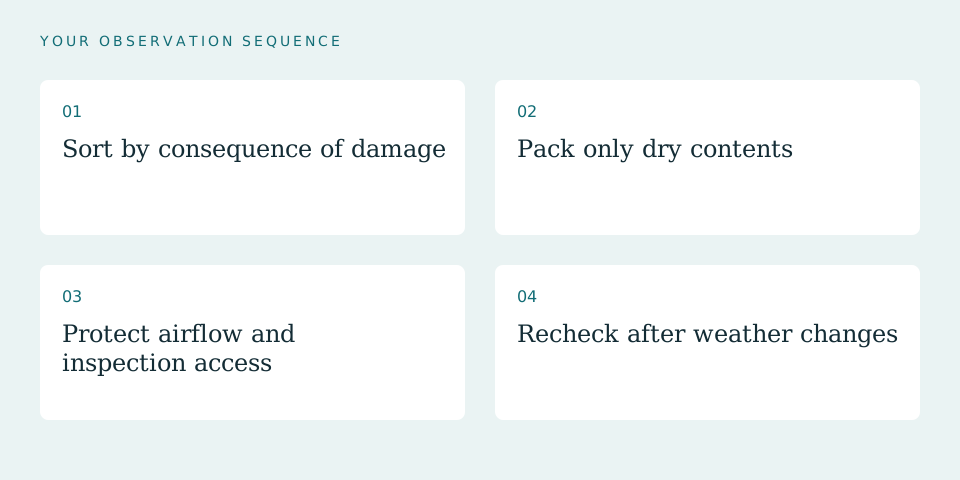
01Sort by consequence of damage
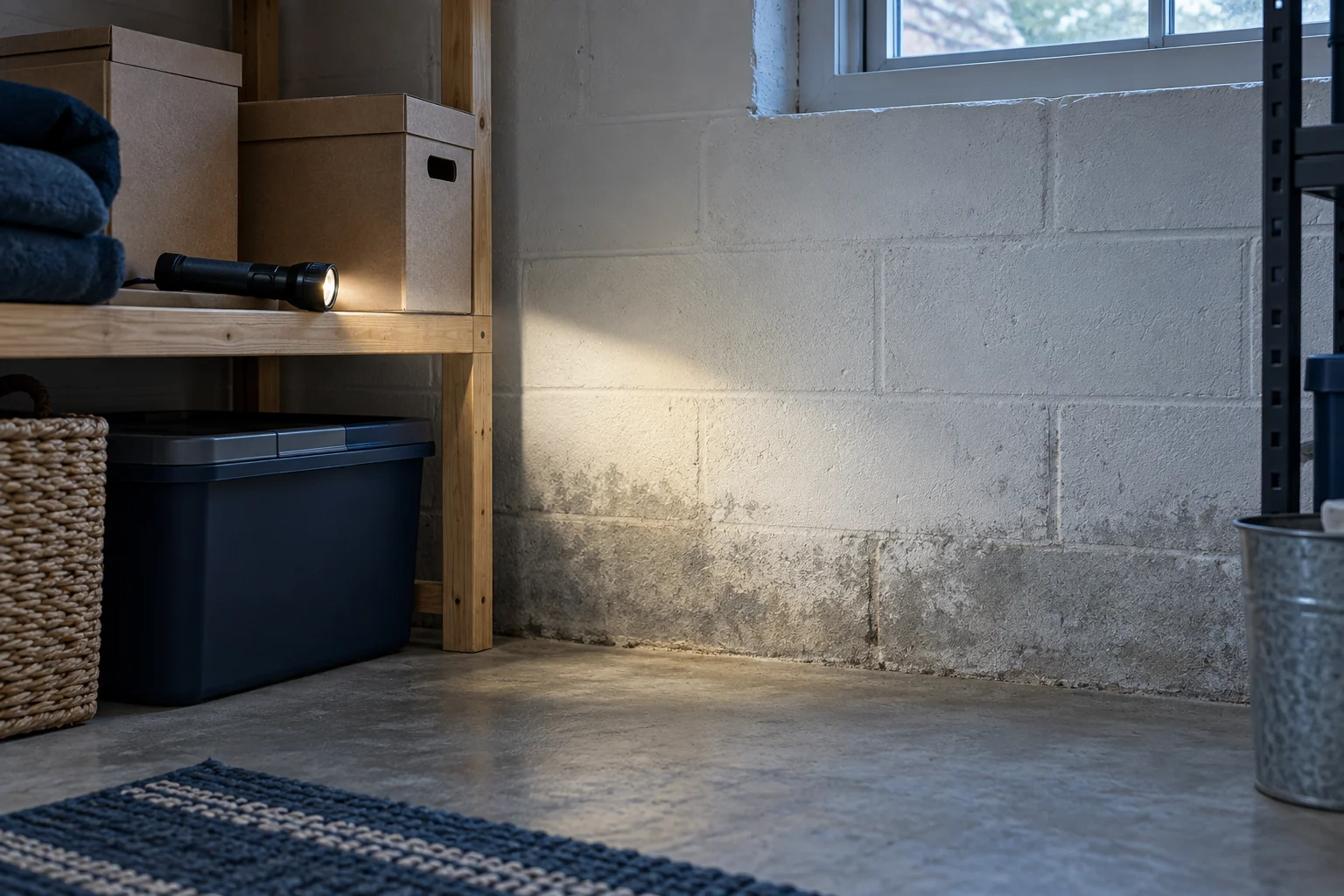
Move irreplaceable papers, photographs and moisture-sensitive electronics to a reliably dry location. For remaining items, make a simple inventory and inspect their condition before repacking. Containers cannot undo existing damage.
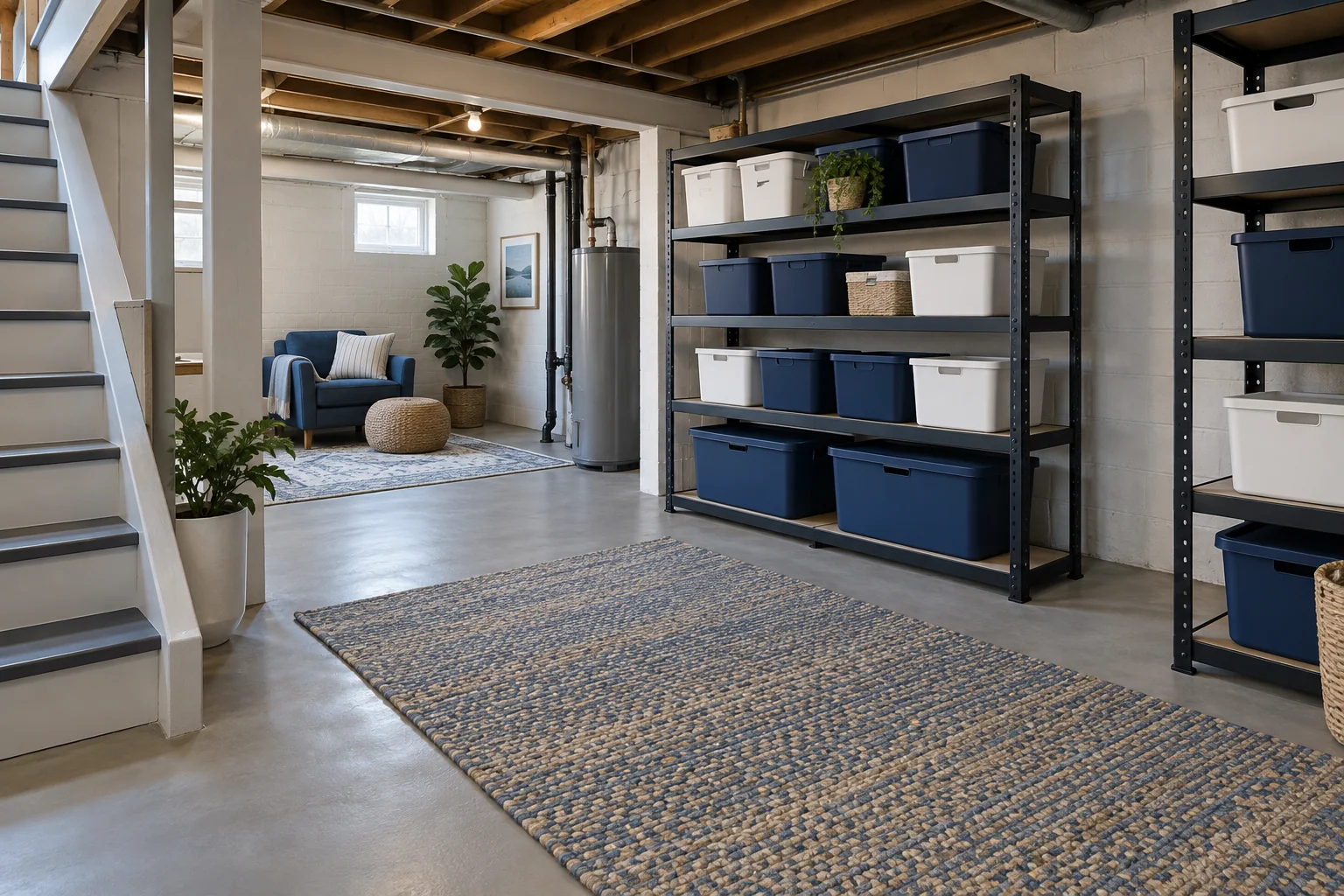
Use shelving to separate possessions from a floor that may become wet, without treating a particular shelf height as flood protection. Keep an accessible inspection path along walls and around plumbing.
02Pack only dry contents
A sealed container can protect dry contents from some room exposure, but it can also trap moisture already inside. Let clean, suitable items dry fully according to their care instructions before closing a container. Do not seal visibly affected materials and assume the problem is resolved.
Label each tote with its contents and inspection date. This makes follow-up easier and avoids repeatedly opening every box.
Related check: A Musty Basement With No Visible Mold: What to Check →
03Protect airflow and inspection access
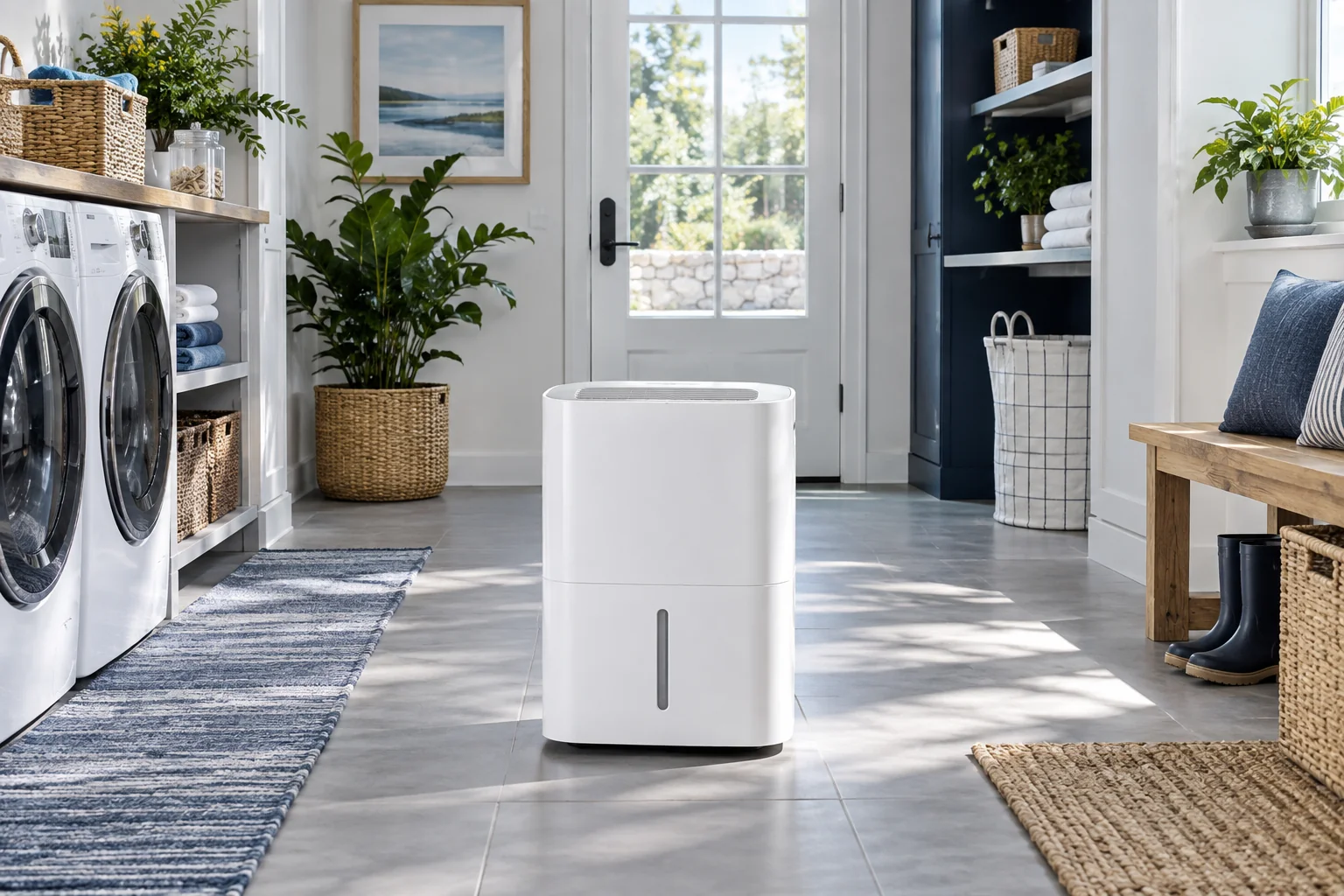
Avoid tightly packing storage against cold exterior walls or blocking the dehumidifier inlet and outlet. Use the appliance’s clearance instructions; there is no single universal spacing for every model.
Place a room sensor where it represents the storage area without sitting directly in the machine’s discharge. Compare that reading with the general basement reading.
04Recheck after weather changes
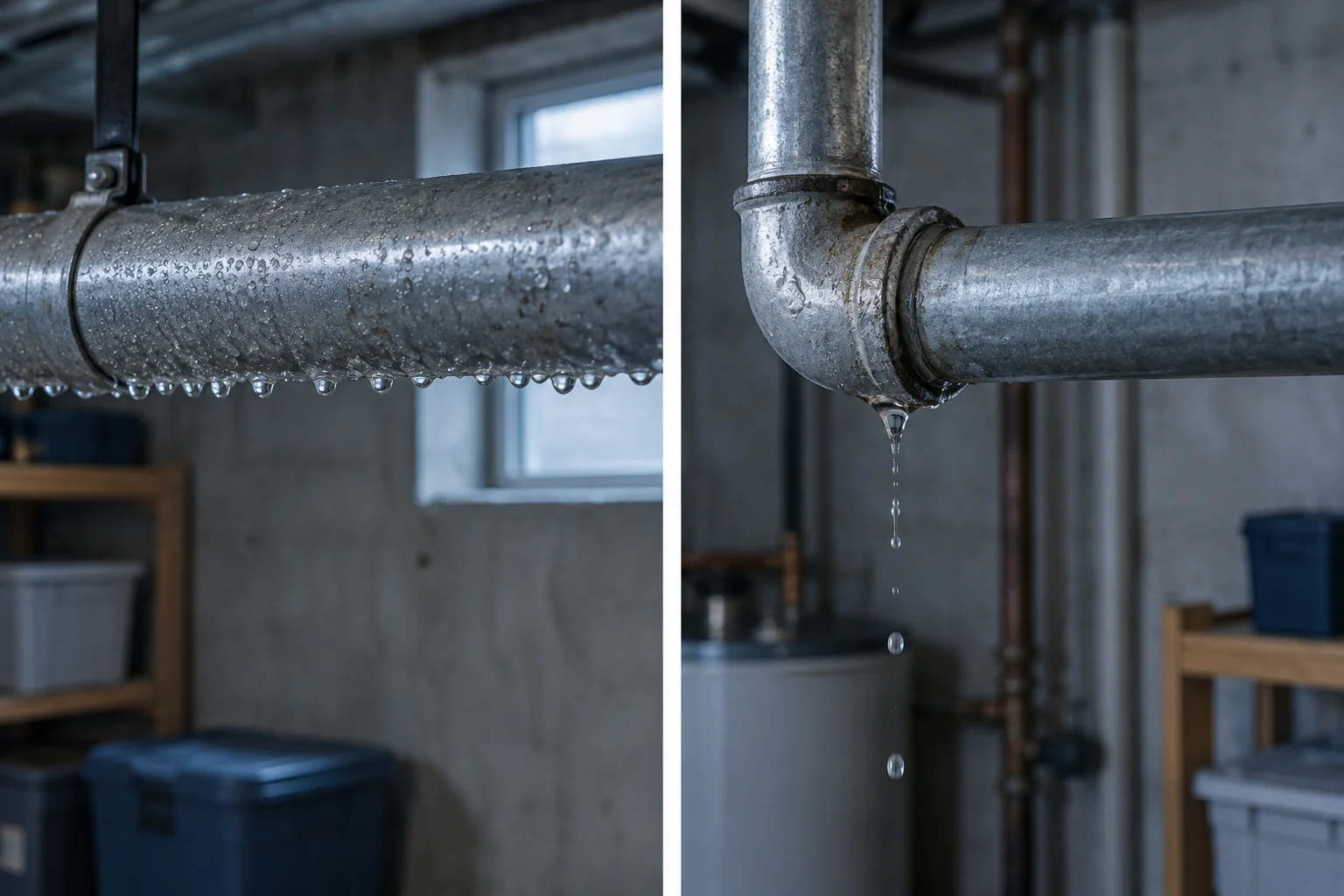
Inspect after heavy rain and during the humid season. Look for condensation on container exteriors, damp shelving and new marks on the surrounding surfaces. If those recur, investigate the room instead of upgrading containers repeatedly.
For contaminated water or substantial affected material, use appropriate professional guidance. Ordinary household storage advice does not cover flood salvage or preservation of valuable collections.
Sources & editorial method
The linked references support the underlying principles. The observation sequence and examples are original editorial guidance, not an inspection, product test or installation specification.
AI-assisted editorial content based on the linked references. Read our methods and review limitations.