01Ask for the evidence
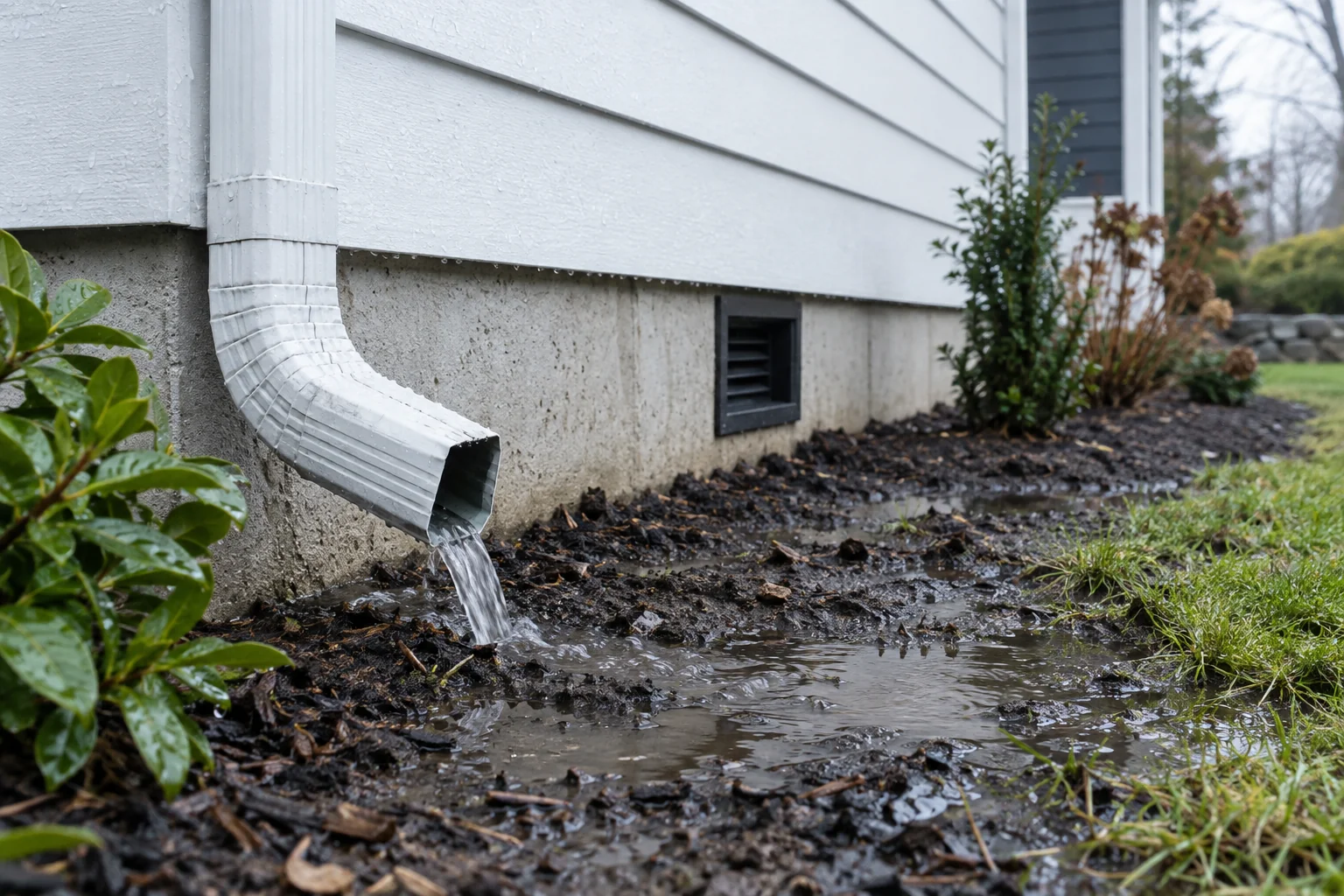
What was wet, where, and under what weather conditions? Ask for photographs and a clear distinction between observed facts and suspected causes. A humidity reading alone does not describe foundation drainage or concealed materials.
If the assessment was performed in dry weather, ask which conclusions need verification after rain. A responsible scope can include uncertainty without disguising it.
02Ask for a complete scope
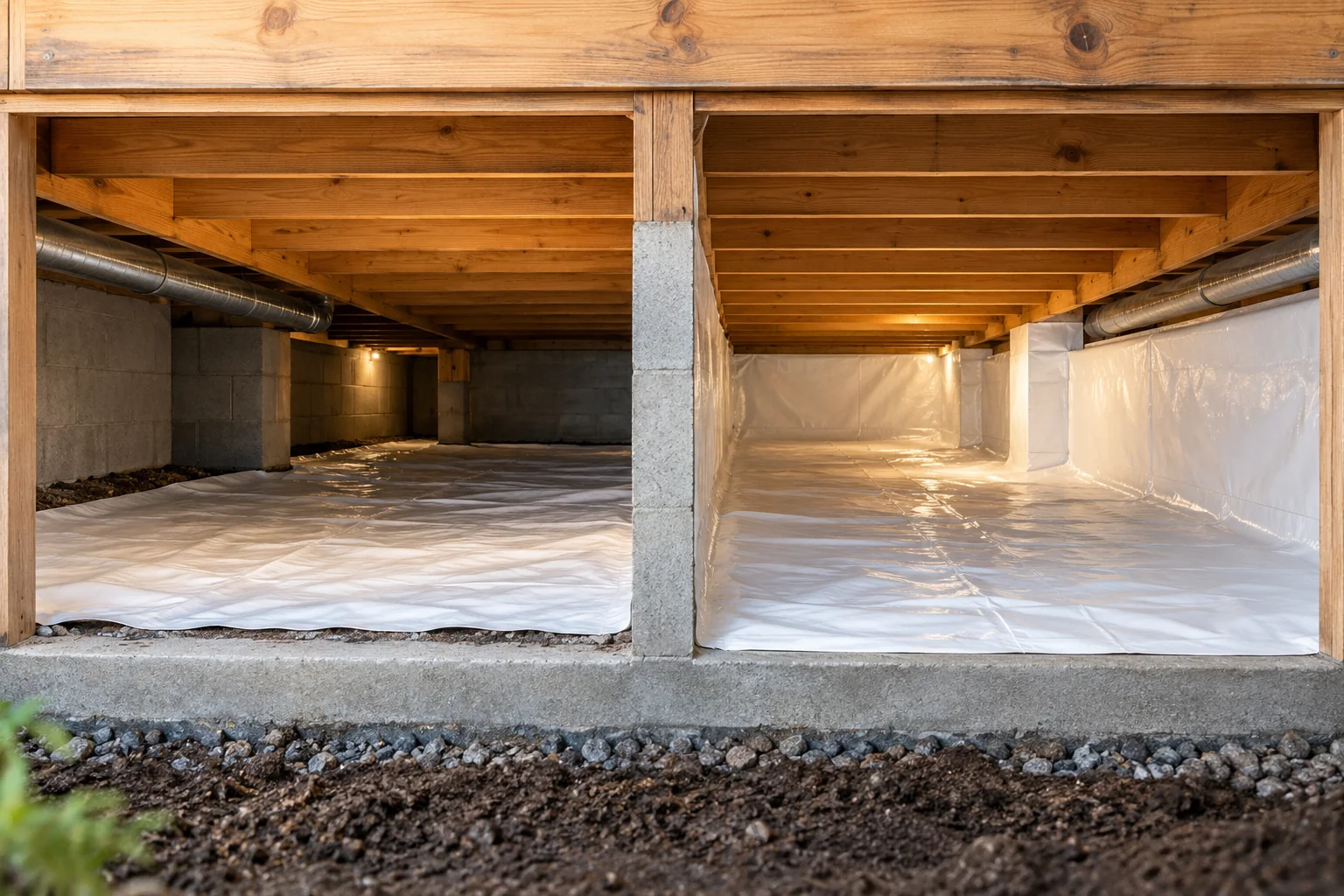
Request the proposed sequence: water-entry work, affected-material handling, ground covering, air sealing, insulation and drying. Ask which items are explicitly excluded. Confirm who handles electrical, plumbing or structural work if needed.
Discuss local permit and inspection requirements with the relevant authority or qualified contractor. Requirements depend on location and the work; an online general guide cannot establish them.
Related check: Crawl Space Vapor Barrier vs. Encapsulation →
03Ask about constraints and servicing
How are radon considerations, pest inspection, combustion air and access handled where applicable? Where will collected water go, and how will equipment be serviced? Ask to see the manufacturer’s clearance and operating-temperature requirements.
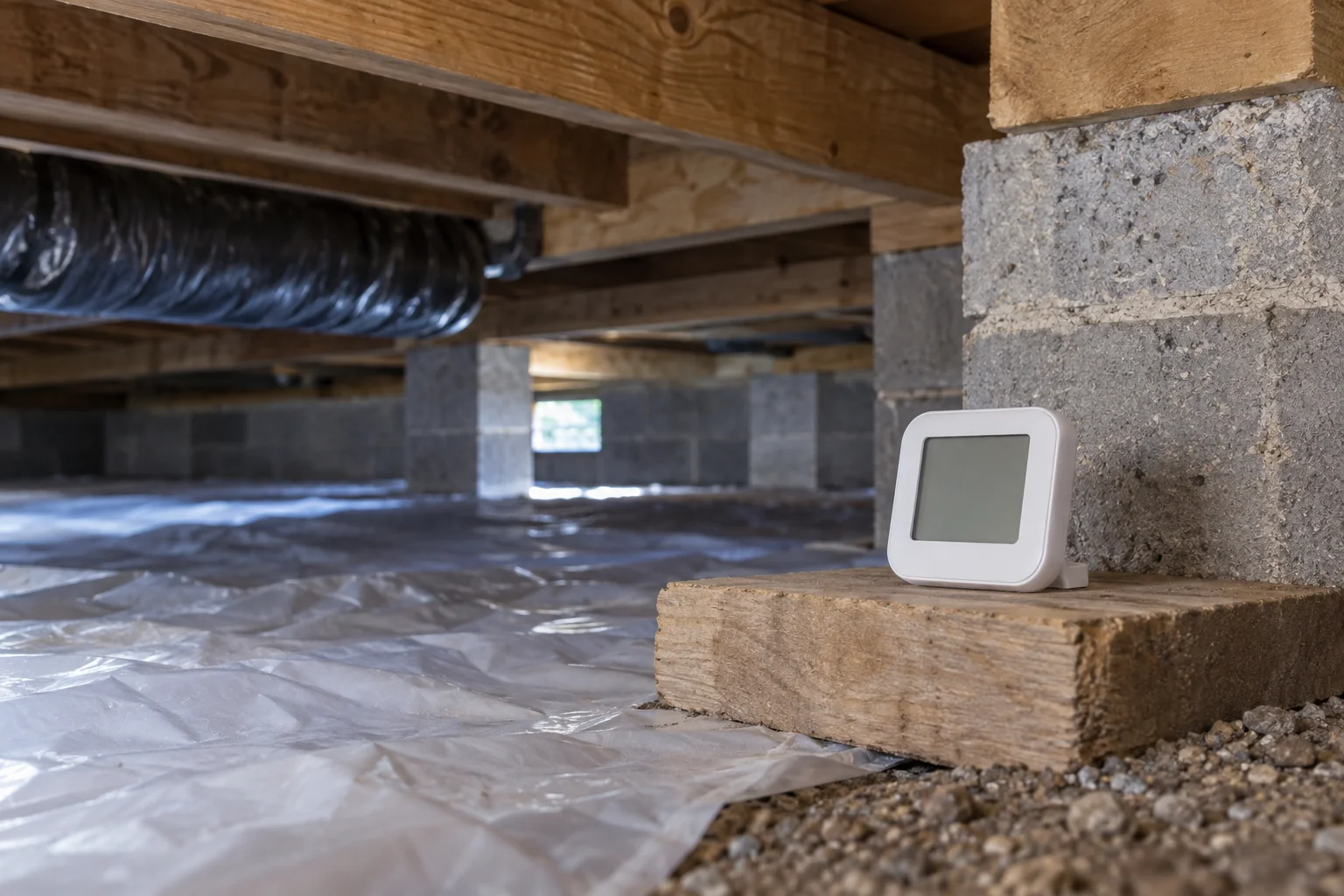
A system that is difficult to inspect may hide future leaks. Ask for accessible monitoring points and photographs before surfaces are covered.
04Agree on verification and documents
Request a written scope, product information, maintenance schedule and warranty terms. Clarify which conditions count as a callback and whether follow-up readings are included. Keep payment and contract questions within your local consumer-protection framework.
Compare proposals line by line. If one excludes drainage while another includes it, the prices are not describing equivalent work.
A proposal promises a permanently dry space
Illustrative situation · not a case report
Ask what causes the current water, which parts of the proposal address it, and what the warranty actually covers. Request drawings or descriptions of drainage, discharge, service access and monitoring, plus responsibility for permits and specialist checks.
What to do with the observation
Compare the written scope and exclusions rather than the promise alone. Decide how the result will be checked through a relevant weather event.
At a glance: choose your next check
| Before accepting a quote | What to request |
|---|---|
| Diagnosis | Observed evidence separated from suspected causes. |
| Scope | Included and excluded drainage, liner, insulation and drying work. |
| Verification | Photos, maintenance instructions and written follow-up terms. |
Local code, licensing and contract requirements need local verification.
Sources & editorial method
The linked references support the underlying principles. The observation sequence and examples are original editorial guidance, not an inspection, product test or installation specification.
Published by Dry Home Logic. Read our editorial policy.