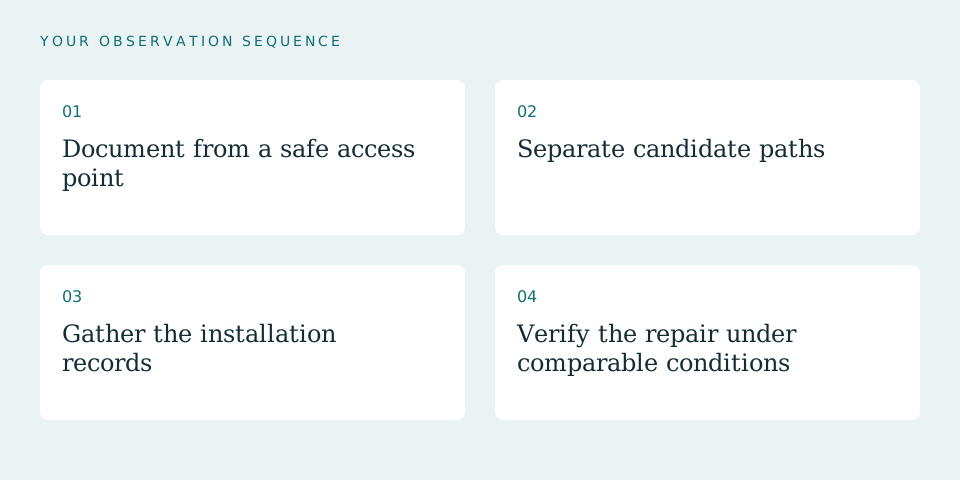
01Document from a safe access point
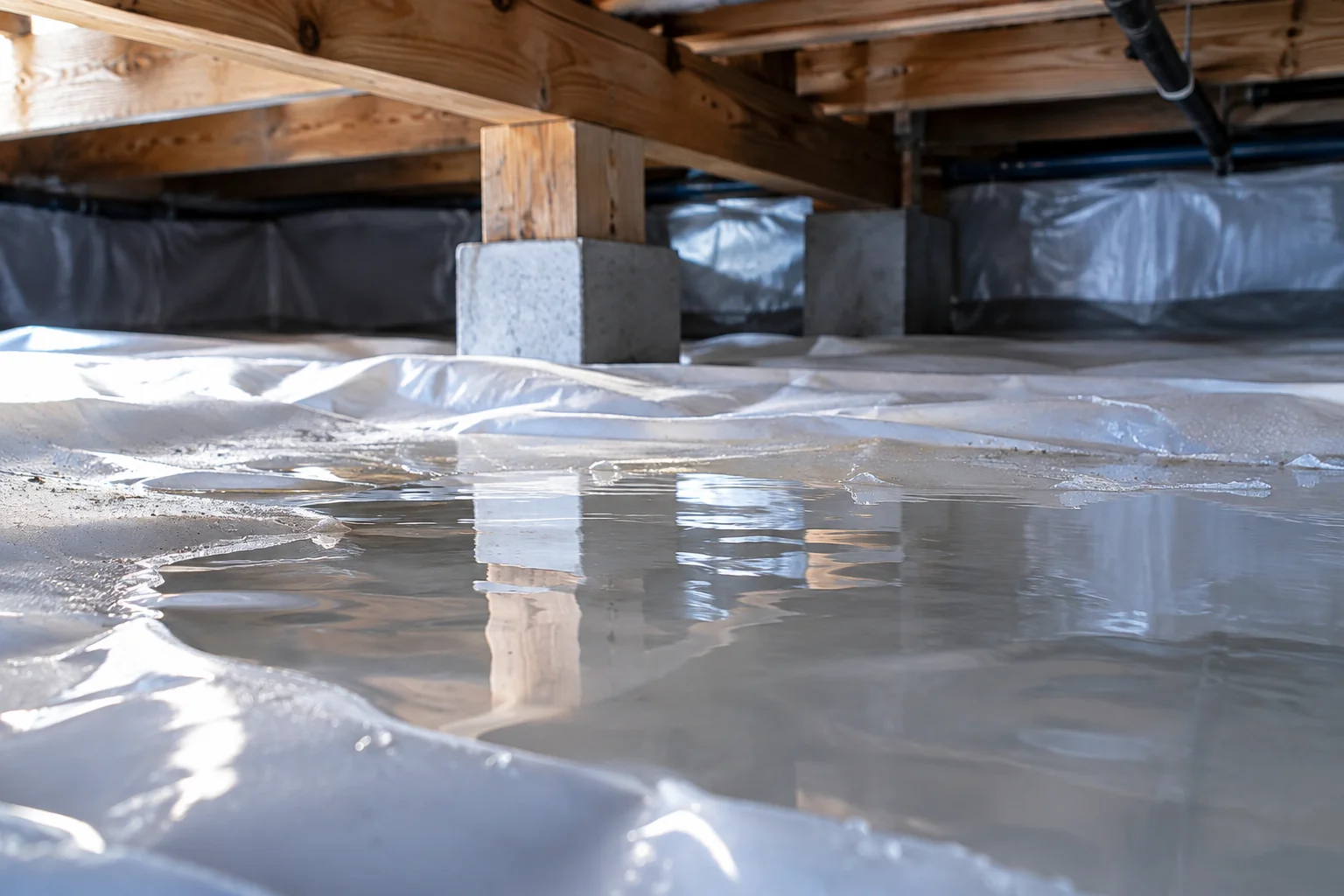
Record the date, rainfall and visible location of the water. Note whether it lies below plumbing, near a foundation opening or in a low point of the liner. Use existing safe views rather than crawling toward an electrical or structural hazard.
A puddle can collect away from where water first arrived. Look for visible trails and higher wet surfaces when these can be observed safely.
02Separate candidate paths
Possible questions include whether plumbing is leaking, rainwater is entering, condensation is dripping from a cold surface, or water is moving through a connection. Treat each as a possibility to test, not a conclusion from one photograph.
Water below the liner is a different observation from water above it, but neither is proof that the overall assembly is functioning correctly. Avoid puncturing or peeling back the system as a casual test.
Related check: Crawl Space Damp After Rain: What to Check First →
03Gather the installation records
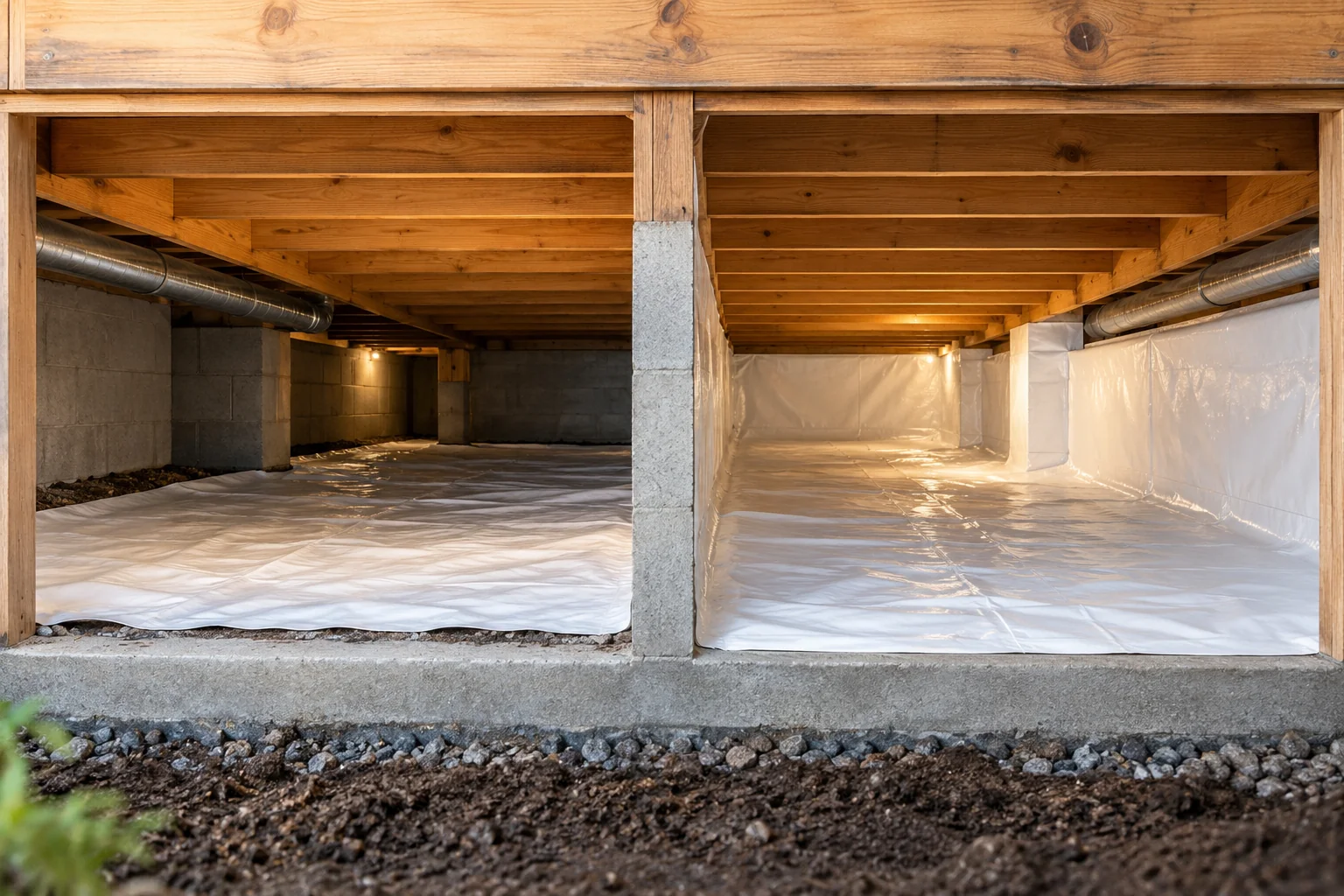
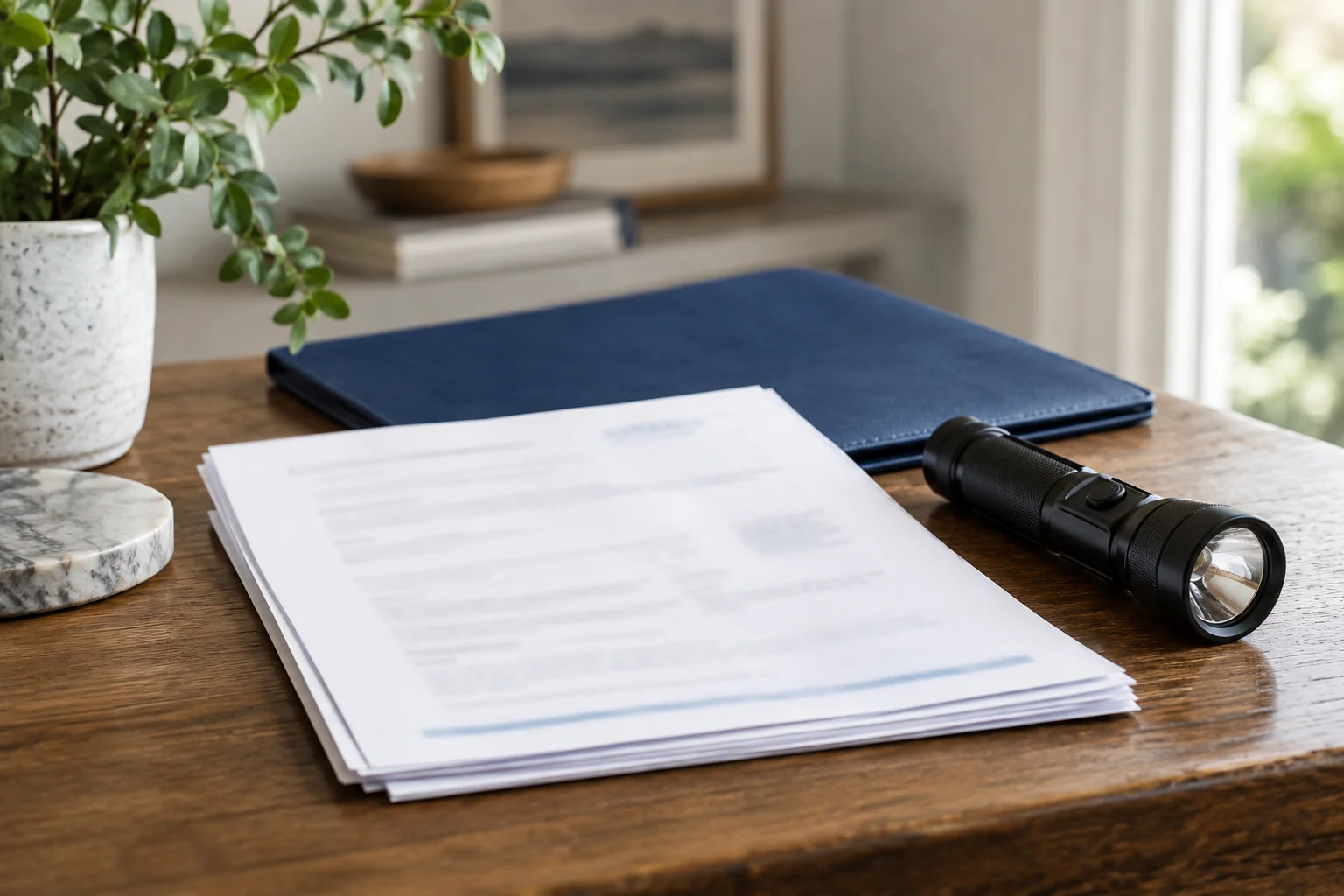
Find the scope, drainage drawing, photographs and warranty if available. These show the intended water-management paths and where seams and drains should be. Ask the original installer to explain how the observed pattern fits that design.
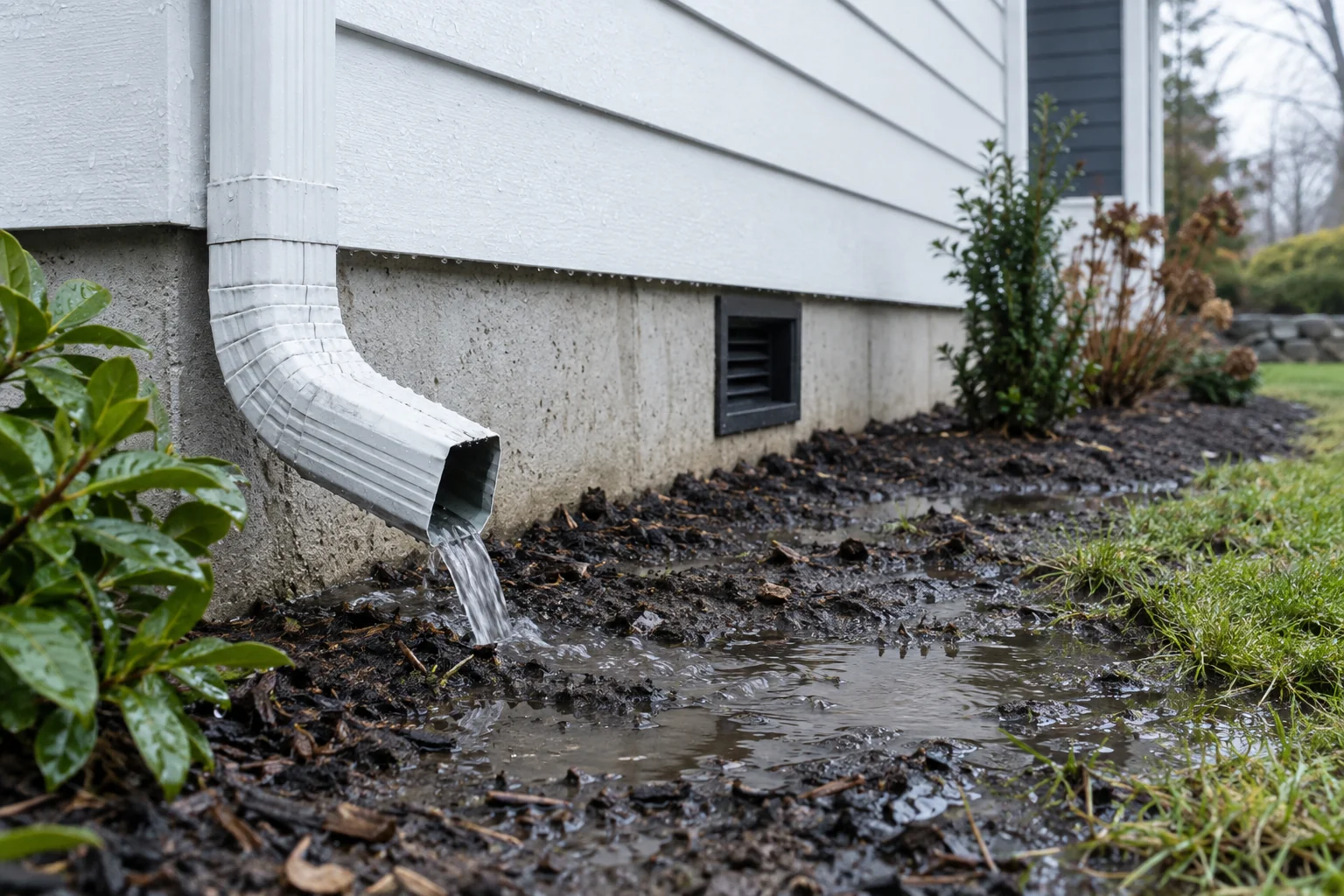
If water follows rain, include exterior drainage observations from ground level. If it follows a fixture’s use, arrange a plumbing investigation.
04Verify the repair under comparable conditions
Removing visible water is only the start. The responsible professional should explain the cause, repair and any material drying or remediation required. Record the next similar weather event and look for recurrence from a safe location.
Do not increase dehumidifier capacity to compensate for a persistent liquid-water source. Vapor removal and water-entry repair are different jobs.
Sources & editorial method
The linked references support the underlying principles. The observation sequence and examples are original editorial guidance, not an inspection, product test or installation specification.
AI-assisted editorial content based on the linked references. Read our methods and review limitations.