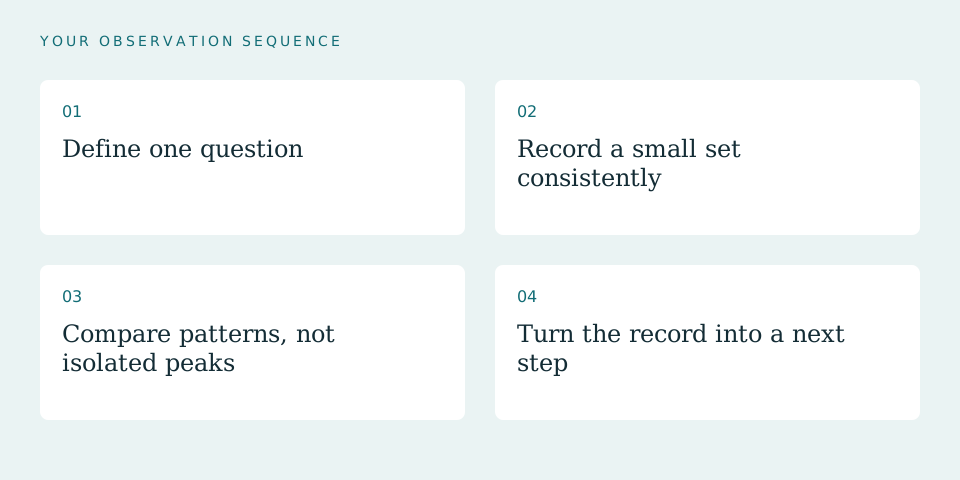
01Define one question
Choose a question such as whether a basement improves after placement changes or whether a window gets wet only overnight. Write it at the top of the log. Avoid changing several conditions at once.
Select a representative sensor position and keep it consistent. Add a second named location only when it answers a specific comparison.
02Record a small set consistently
At similar morning and evening times, note date, location, temperature, RH, weather and appliance state. Add visible wetness, open windows and unusual activities where relevant. Use the printable log tool to keep the fields consistent.
Missing a reading is acceptable; mark it as missing rather than filling in a guessed value. For connected sensors, check timestamps and battery status.
Related check: Where to Place a Hygrometer for Useful Home Readings →
03Compare patterns, not isolated peaks
Look for changes following rain, opening a door, using a fixture or switching the appliance mode. Note whether temperature changed too. A brief peak and a sustained elevation are different observations.
If the original problem occurs only during a particular weather event, continue until that condition recurs. One dry week cannot verify a repair intended for heavy rain.
04Turn the record into a next step
Summarize the strongest observation in one sentence: for example, the east wall becomes wet after rain while the central room reading changes little. Attach photographs and keep interpretations separate from facts.
Use that record with an appropriate contractor if the cause remains unclear. The log helps direct an investigation; it does not certify the building or replace professional measurements.
At a glance: choose your next check
| Record | Why it helps |
|---|---|
| Temperature + RH + sensor location | Makes the air reading interpretable. |
| Weather + time + appliance state | Connects the trend to possible drivers. |
| Visible wetness + photograph | Keeps observed evidence separate from assumptions. |
Extend observation if the relevant weather event does not occur within seven days.
Sources & editorial method
The linked references support the underlying principles. The observation sequence and examples are original editorial guidance, not an inspection, product test or installation specification.
AI-assisted editorial content based on the linked references. Read our methods and review limitations.